
Get ready for Facebook posts and Instagram pics to take over your mobile device with Facebook Home. Facebook Home goes beyond being a placeholder for your apps and puts Facebook at the heart of your mobile device.
Read more
Immediately Make Your Facebook iOS App Faster With Facebook 5.0
Ask anyone about using the Facebook app on any device and you’ll hear more complaints and frustrations than a therapist. Whether you’re using Android, iOS, or Windows Phone, Facebook’s mobile experience absolutely sucks in comparison to their desktop site. It’s slow to load, frequently displays error messages, doesn’t always post status updates, and is missing […]
Read more
Facebook Buys Instagram: Thoughts On Why And What To Expect
Facebook is buying Instagram for $1 billion. After the $500 million valuation Instagram received, it makes you wonder why Facebook will pay twice the price for Instagram. It’s just a mobile app that lets you share pics with friends and has less than 50 million total users compared to Facebook’s 800+ million active monthly users. You can […]
Read more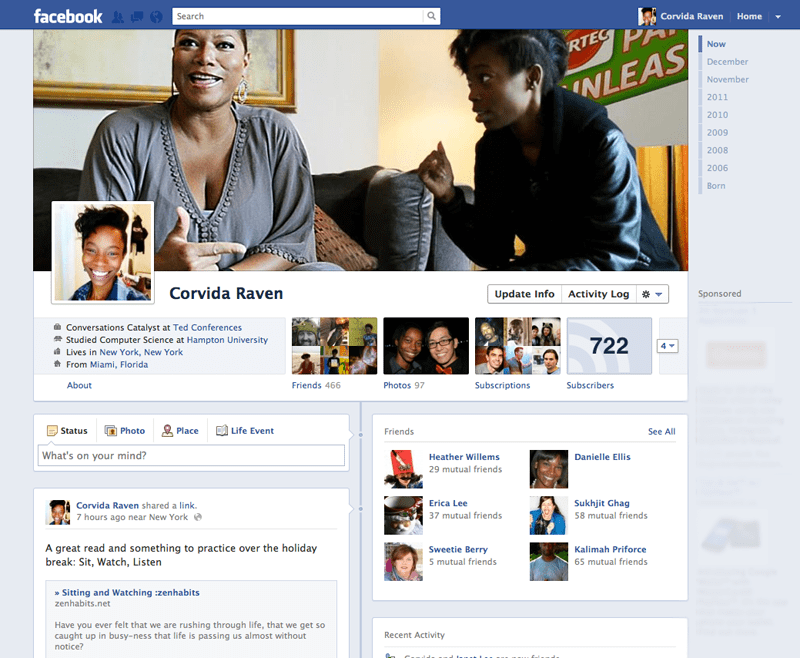
How To Get The New Facebook Timeline Look Right Now
Facebook Timeline is a drastic departure from the currently tired look of your Facebook profile. Announced at Facebook’s F8 conference in October, don’t be too quick dismiss Facebook Timeline as yet another new redesign from Facebook. It’s a complete departure from Facebook’s past! If you’re not afraid of change, here’s how you can get Facebook Timeline right […]
Read more
Facebook Puts On a Few Pounds: Stories, Ticker, Timeline and More
If you haven’t visited Facebook in a while, you might want to. Recently Facebook announced a slew of new features before and during its annual F8 conference for developers. These features aren’t just for developers. They’re directly aimed at users to add how you can find interesting news, provide a new Timeline look at your Facebook […]
Read more
Facebook Messenger: A Dedicated App for Facebook Messages
Facebook Messenger is a new iPhone and Android app by Facebook that focuses on Facebook’s Messaging system. If you’re looking for the perfect Facebook Chat client, Messenger will disappoint you. Messenger is for the Facebook Messaging addicts across the planet. In fact, if you’ve been neglecting your Facebook inbox for some time now, Messenger might […]
Read more